What Is Brain-First Training?
Brain First Dog Training™ is not just obedience. It is a way of teaching that looks at the dog's brain, body, emotions, environment, learning history, communication, safety, and relationship with the human. We help families see the whole dog — not just the behavior in the moment.
Behavior Is Communication
Barking, jumping, pulling, fear, avoidance, overexcitement, and shutdown can be signs of confusion, unmet needs, fear, pain, lack of skill, lack of confidence, or environmental overwhelm. Brain First Dog Training™ helps families read those signals with curiosity instead of blame.
Reward-Based, Relationship-Based Learning
Our training approach is humane, reward-based, and relationship-centered. We do not use intimidation, force, shock, prong, choke, or punishment-based methods. We teach through clarity, choice, kindness, and consistency.
Emotional Regulation Comes First
Many dogs cannot learn well when they are overwhelmed, scared, over-aroused, exhausted, overstimulated, or confused. Training should help the dog learn how to settle, think, recover, and feel safe — long before we ask for polished cues.
Puppy Training & Development
Puppies need more than commands. They need safe socialization, rest, gentle handling, confidence games, cooperative care, body awareness, leash foundations, crate comfort, home manners, recall foundations, and predictable family routines. Learn more inside our Puppy Training pathway and the Platinum Puppy™ / Platinum Puppy Village™ developmental education resources.
Training Games for Real Life
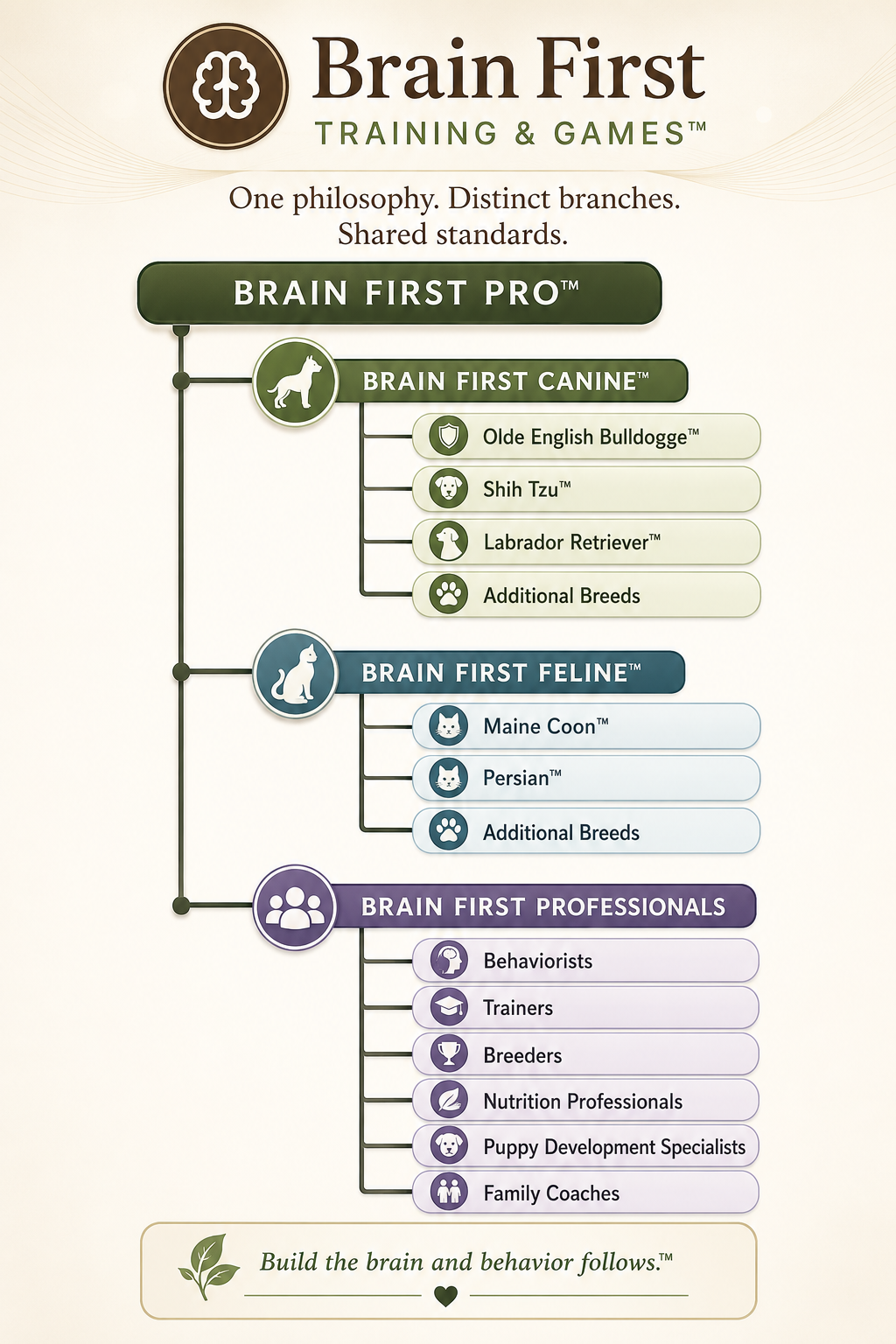
Brain First Training & Games™ uses short, structured games to teach focus, confidence, impulse control, recall, leash skills, settling, problem solving, cooperation, and communication. Games make learning feel safe — for both the dog and the family.
The 7-Minute Brain First Method™
Short daily training games — about seven focused minutes a day — help families build consistency without overwhelming the dog. This is not a magic fix, not a guarantee, and not a replacement for veterinary care or behavior emergency support. It is a sustainable rhythm for everyday families.
Family Dog Manners
Real-life skills matter: calm greetings, loose-leash walking, settling on a mat, coming when called, door manners, grooming cooperation, gentle handling, crate comfort, car comfort, visitor routines, and public manners foundations — built one small win at a time.
Service Dog, Therapy Dog & Facility Dog Foundations
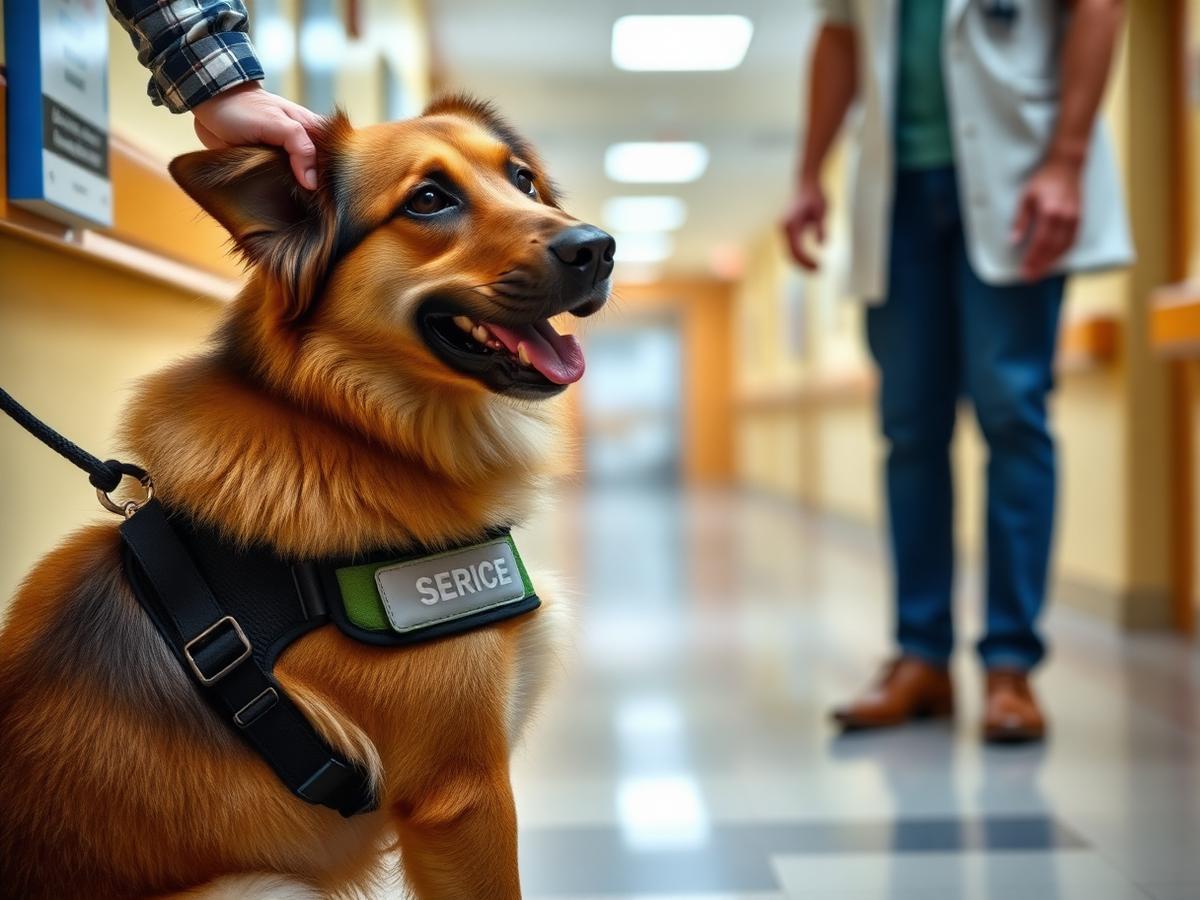
Brain First Dog Training™ may support foundation learning for dogs and families interested in future service, therapy, or facility dog pathways. We do not promise certification, public access rights, task training completion, legal compliance, or placement outcomes. For deeper education, see Lewis & Clark Therapy/Service Dogs™.
When to Get Extra Help
Aggression, biting, severe fear, separation distress, sudden behavior changes, compulsive behavior, pain-related behavior, or safety concerns should be evaluated by an appropriate veterinarian, veterinary behavior professional, qualified behavior consultant, or emergency professional when needed. Asking for help is a kind, responsible step.